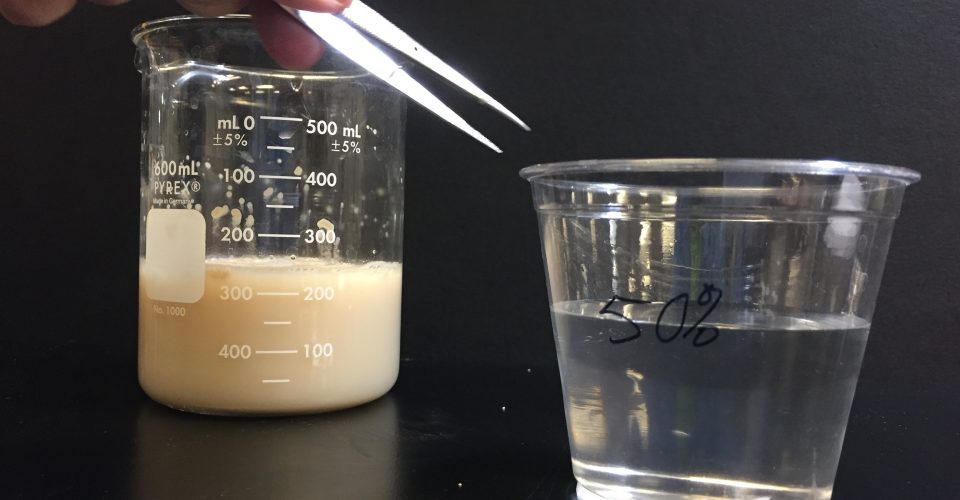
Blog
-
Getting to Know a Moss on a First Name Basis
For many the first course of study is to learn the names. Names facilitate communication and anchor our explorations. When one signs up for a botany field trip, it is expected that plants will be identified and named. I imagine most would be disappointed if they didn’t come away from a field excursion without learning…
Written by

-
Moss Workshop Support based on an earlier JOCO Master Naturalists Moss Workshop
Resources and suggestions for identifying your moss It is always difficult to suggest the most effective or optimal path to moss identification for someone just getting started. I started down this path a few years ago and I still consider myself a bryophyte neophyte. I have quite a bit of empathy for folks who are…
Written by

-
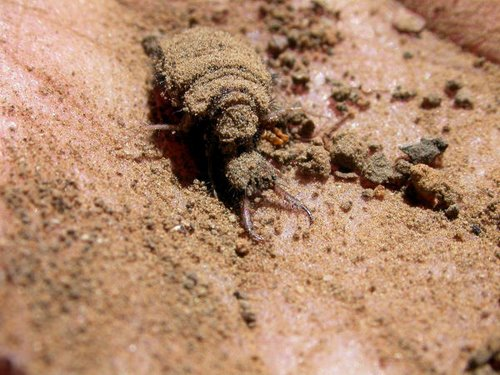
Ant Lions and Biology
This is an article I rescued from the “ancient” web archives. I originally wrote this article back in the early 90’s. Introduction Science is driven by questions. For students to experience the process ofscience they should work on answering questions that arise from their naturalcuriosity. Ant lions (Neuroptera) and their intriguing behaviors naturally generatestudent questions.…
Written by
-
The Leopolds and Draba
Last week, Carol and I had the privilege of attending a dinner recognizing Paul Williams (originator of Wisconsin Fast Plants) for Distinguished Service at the University of Wisconsin. We decided to mosey our way up and to soak up some of the northern deciduous forest autumn. One of our stops was the Aldo Leopold Foundation…
Written by

-
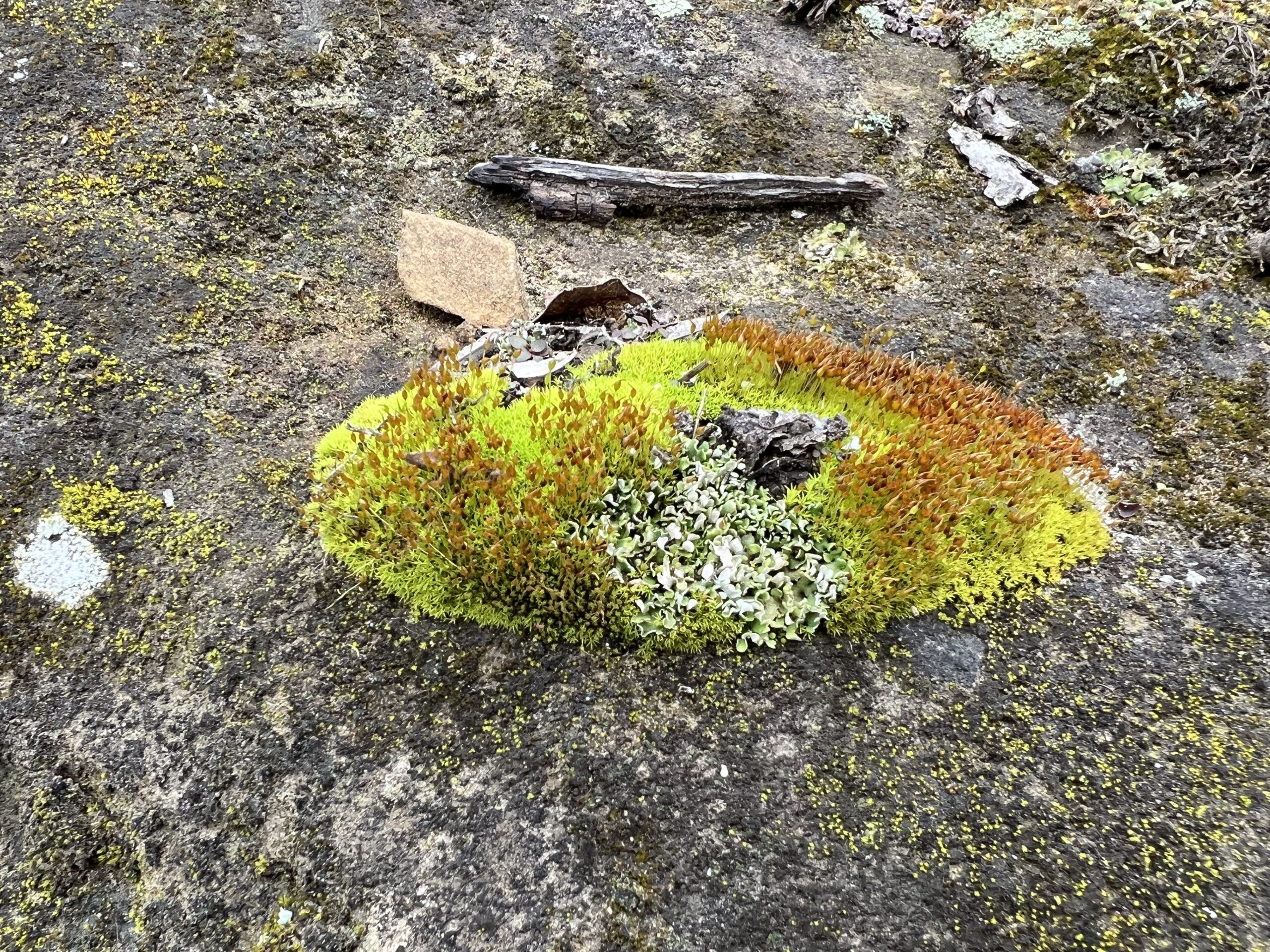
Spring Annual Mosses
Weissia controversa from Woodson County with sporophytes in a managed burned oak woodland. This is one of four articles on Kansas mosses that first appeared in the Kansas Native Plant Society’s Newsletter, vol. 45, Number 2. Early spring is a special time in Kansas with chorus frogs calling, woodcock flight displays at dusk, and Draba…
Written by
-
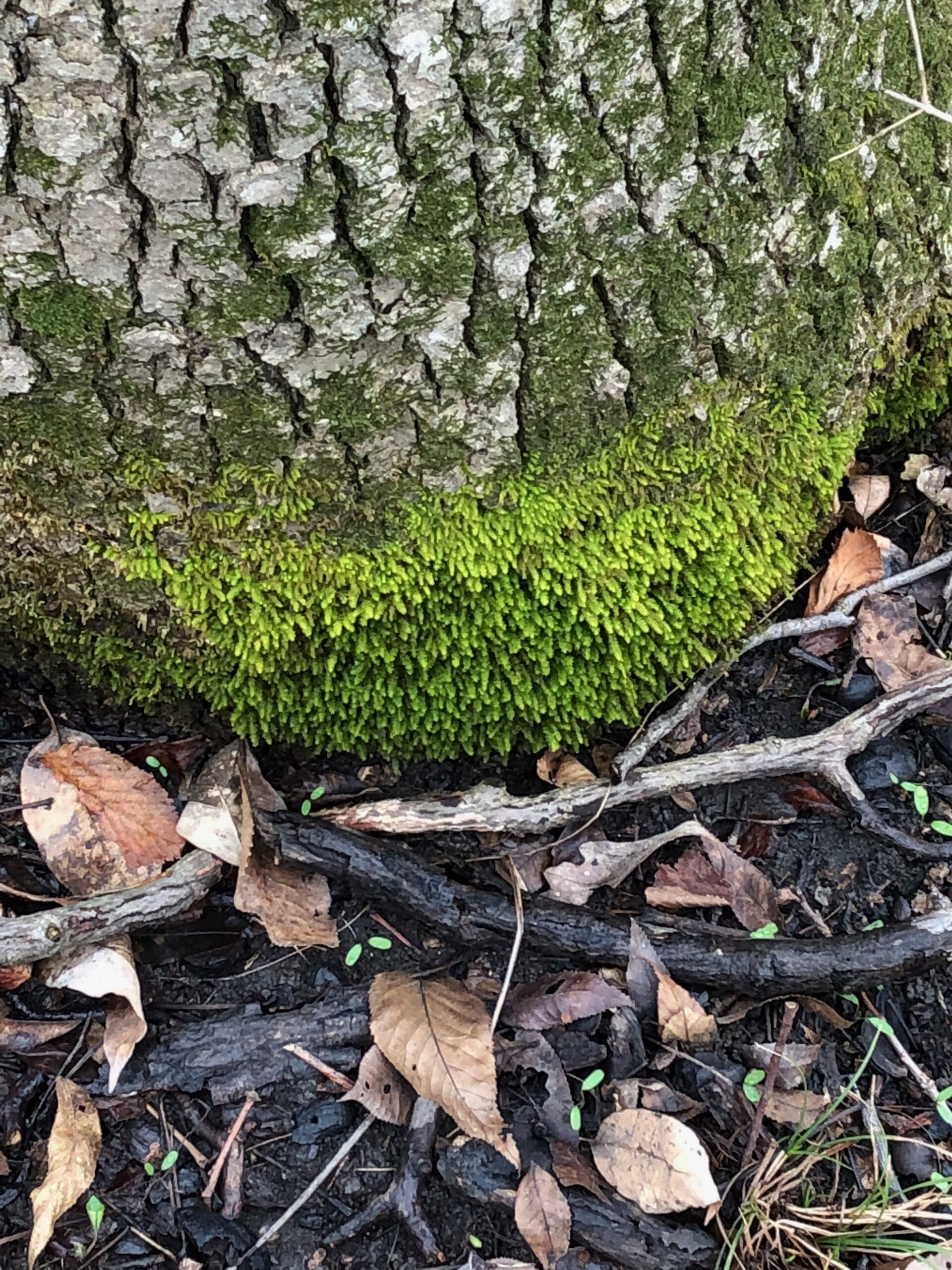
Kansas Tree Skirt Mosses
A hydrated mat of Anomodon minor growing at the base of an oak in the early spring after a rain. This is one of four articles on Kansas mosses that first appeared in the Kansas Native Plant Society’s Newsletter, vol. 45, Number 1. On a rainy day three winters ago I went looking for the…
Written by
-
Enticing Entodon
An old oak log covered with Entodon with thousands of sporophytes in the early spring. This is one of four articles on Kansas mosses that first appeared in the Kansas Native Plant Society’s Newsletter, vol. 44, Number 3. Throughout the woodlands in the eastern half of Kansas (or further west along streams) you’ll likely find…
Written by

-
An Introduction to Kansas Mossing
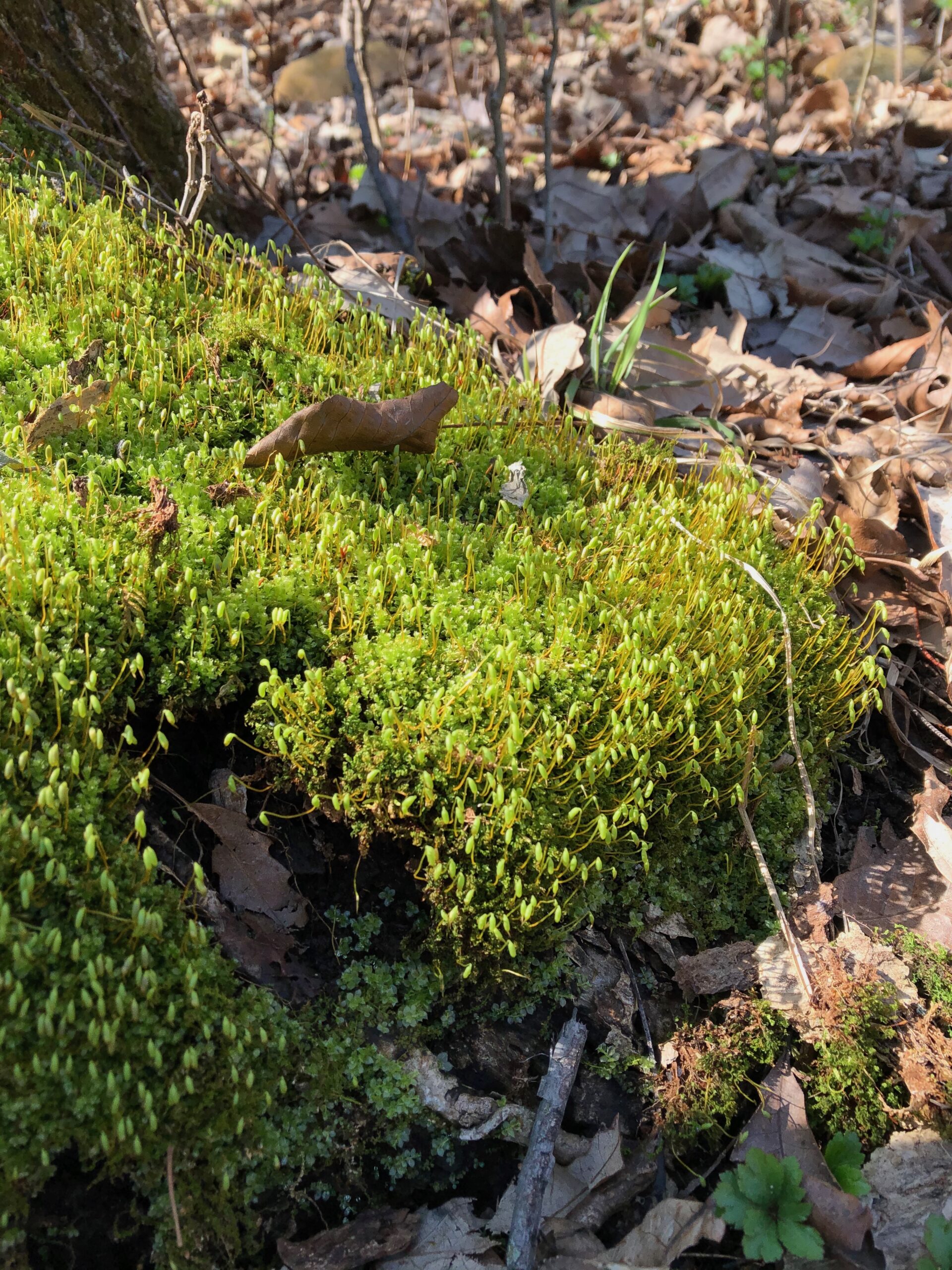
An outstanding mat of Baby Tooth Moss in April with capsules just starting to mature. Lawrence Nature Park, Lawrence, KS photo: Brad Williamson This is one of four articles on Kansas mosses that first appeared in the Kansas Native Plant Society’s Newsletter, vol. 44, Number 2. Baby Tooth Moss The unexpected beauty of a winter…
Written by
-
Fast Plant Selection Summary
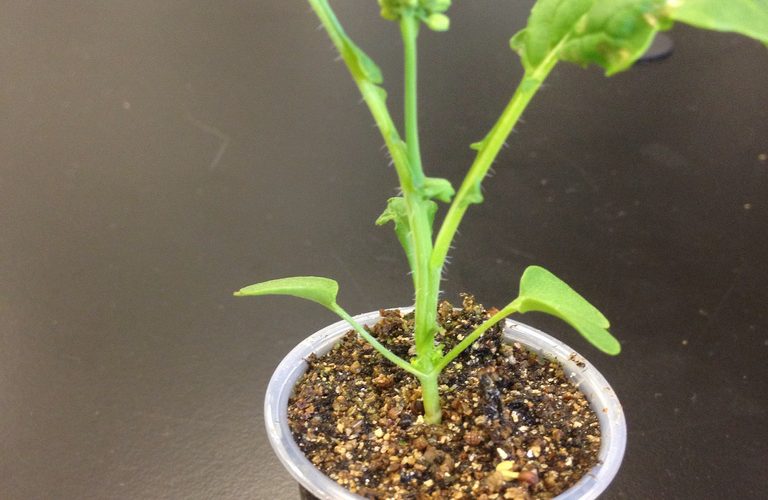
Several years ago I put up a series of posts that covered growing fast plants and working through artificial selection. This post provides all the links to previous posts in one place. http://www.bradwilliamson.net/growing-fastplants/ http://www.bradwilliamson.net/day-4-fastplants-an-update/ http://www.bradwilliamson.net/fastplant-update-day-7/ http://www.bradwilliamson.net/fastplant-update-day-9/ http://www.bradwilliamson.net/fastplant-update-day-12/ http://www.bradwilliamson.net/an-update-of-day-12-update/ http://www.bradwilliamson.net/day-15/ http://www.bradwilliamson.net/day-17-last-day-for-pollination/ http://www.bradwilliamson.net/day-23-maintenance-mode/ http://www.bradwilliamson.net/day-27-update/ http://www.bradwilliamson.net/day-40-update/ http://www.bradwilliamson.net/fastplant-selection-experiment-wrap-up/
Written by
-
Quantitative Biology with Catalase Floating Disk Technique
This page provides links to the various posts I authored a while back that explore quantitative techniques for the Catalase Enzyme Floating Disk lab. Teaching Quantitative Skills using the Floating Disk Catalase Lab: Intro http://www.bradwilliamson.net/teaching-quantitative-skills-using-the-floating-disk-catalase-lab-intro/ Teaching Quantitative Skills in a Lab Context: Getting Started in the Classroom http://www.bradwilliamson.net/teaching-quantitative-skills-in-a-lab-context-getting-started-in-the-classroom/ Establishing an Investigative Procedure to Guide the…
Written by