Blog
-
On to Chaos
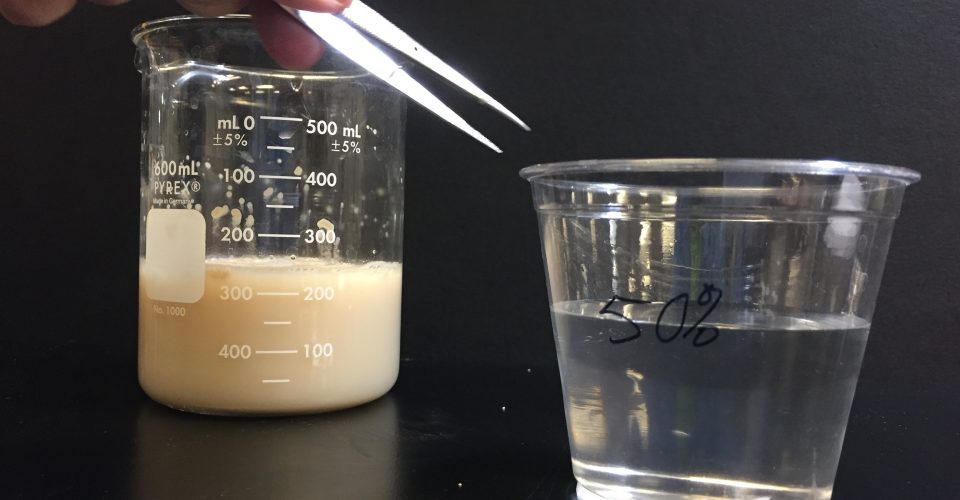
I apologize for the length of these posts but I had a couple of goals in mind when I decided to “rewrite” these posts on modeling populations that had been lost from the old NABT BioBlog: 1. To help biology educators develop their own confidence to take on computer-based modeling in their classroom and 2.…
Written by

-
Using Spreadsheets to Build Simple Models of Population Growth
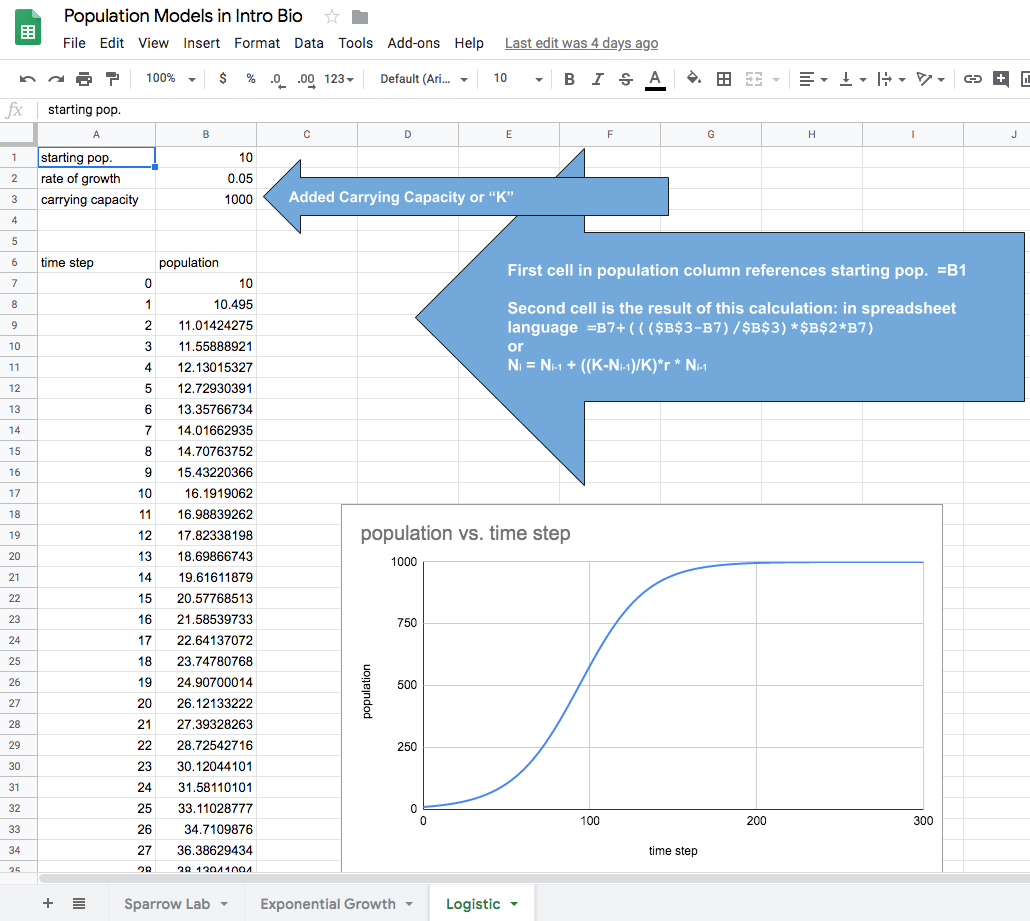
Computers and spreadsheets truly changed much of the way I taught biology, starting in the ’80s. Interestingly, spreadsheets were not on my radar early in the introduction of personal computers. Instead, I was sure that my students would be developing programming skills that would let us build models. (I may have been a bit “off”…
Written by
-
The Floating Disk Assay to Study Photosynthesis–an update
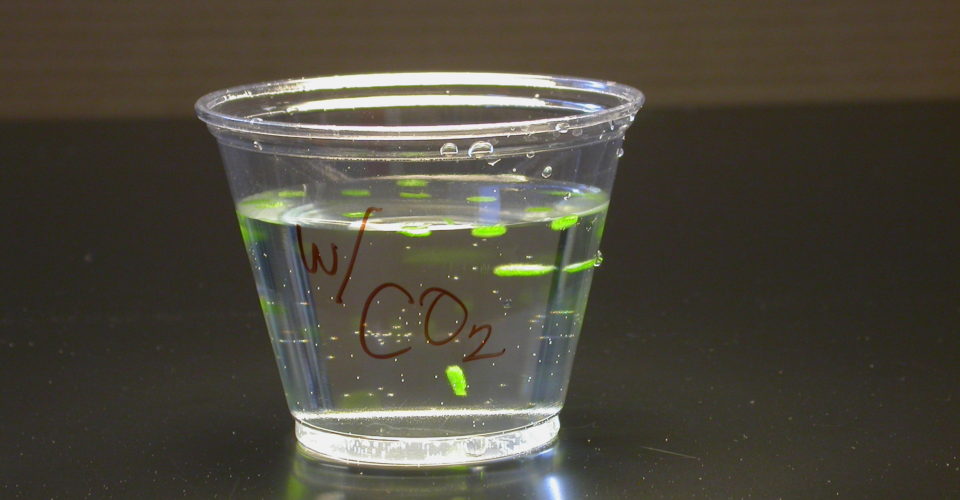
When I was teaching, I’d introduce a promising technique to students with a structured lab investigation. Doing so allowed my students to acquire the skills needed so that they could explore their own questions later. In the case of the Floating Disk Assay for Photosynthesis, we compared rates of photosynthesis with a carbon source (sodium…
Written by
-
A Life-Long Quest
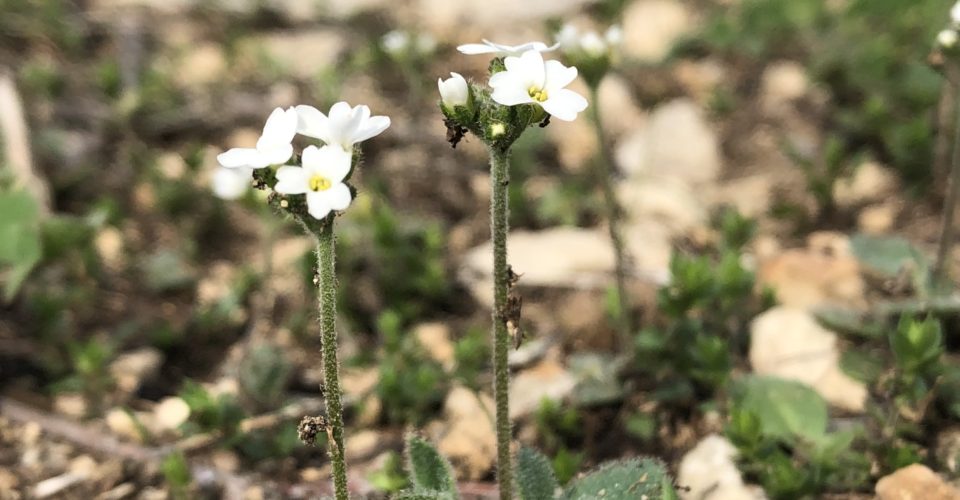
About fifty years ago, I picked up a paperback book at the University of Kansas Student Union Oread Bookstore titled, A Sand County Almanac by Aldo Leopold. Despite my great love for hunting, fishing, archery, camping, and hiking, I had always considered my passion for nature and the outdoors as something that was more of…
Written by
-
A Wee Bit of Math Geekery
Background or ancient history (of course this is optional): I first encountered BSCS curriculum materials during my student teaching experience decades ago. As a new biology teacher I was amazed and inspired by the depth of the curricula developed to not only teach biology but also how to do biology. If you were suddenly, today,…
Written by
-
A Spreadsheet Exploration into Chi-square Goodness of Fit
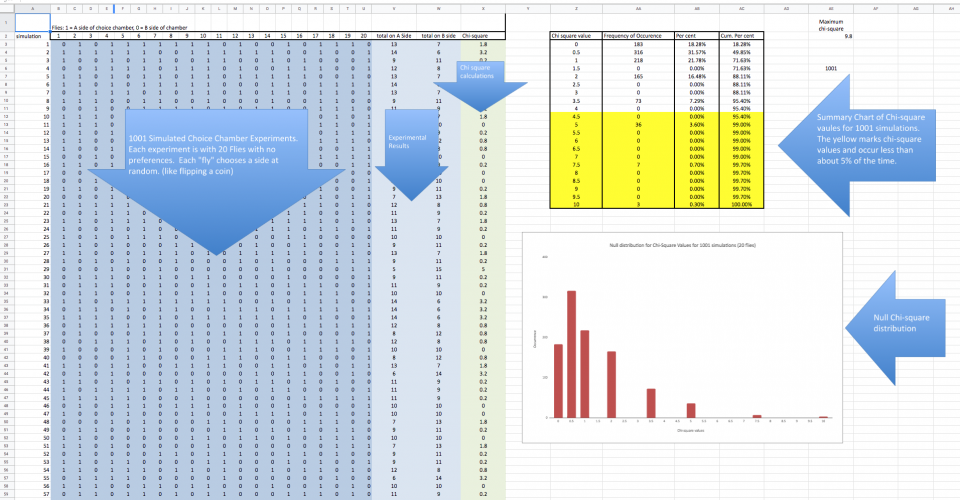
Introduction/Background The chi-square goodness of fit statistical test has long been the test of choice for biology educators to introduce concepts associated with statistical hypothesis testing and data analysis. Perhaps it would be better to say that for most of the last 50 years or so, if biology students applied statistical test it was likely…
Written by
-
The Final Installment: Quantitative Skills Extended and Evaluated
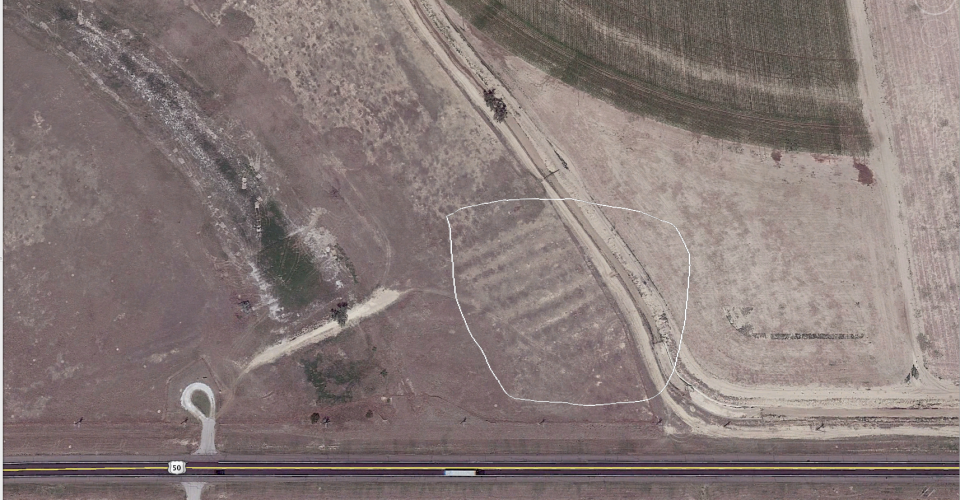
A note: You might want to scroll down, directly to Applying the NetLogo model to avoid my long winded setup and context) Getting Stuck in a Rut: I grew up about 1 mile from the Santa Fe Trail which cuts diagonally across Kansas on its way from Independence, Mo. to Santa Fe, New Mexico. …
Written by
-
Model Fitting–the end game.
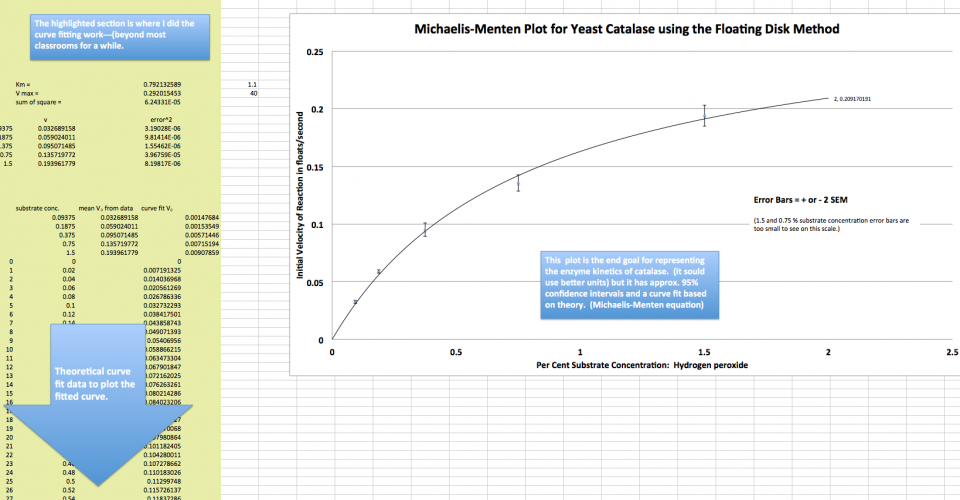
Curve Fitting AKA Model Fitting: When I started this series of posts my goal was to see if I could generate precise data with a proven classroom lab. The data precision that is possible with the yeast catalase lab provides a unique opportunity where data analysis skills can be productively explored, practiced and understood. My…
Written by
-
Data Analysis: the Fourth Installment of Teaching Quantitative Skills
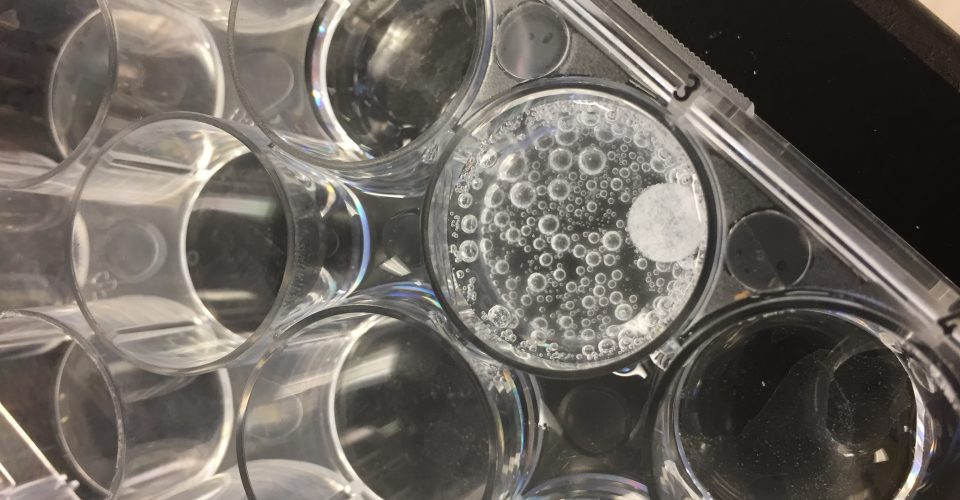
Managing labs has got to be one of the most difficult things we do as biology teachers. There is so much to keep in mind: safety, time, cost, level appropriateness, course sequence, preparation time, and did I mention time? It’s no wonder that we are tempted to make sure that the lab “works” and that…
Written by
-
Establishing an Investigative Procedure to Guide the Homework Investigation
Moving from the bulk reaction of yeast (catalase) and H2O2 to a procedure that can produce reasonable, reliable and precise data without just telling them, “This is the technique that we will use”, can be tricky. But it is a discussion full of quantitative considerations if that procedure is going to generate quantitative data that can support…
Written by